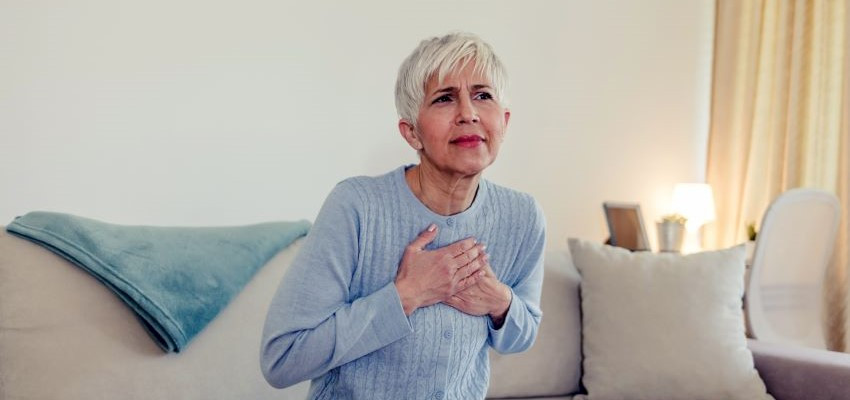
Women and Heart Disease: Understanding Your Risk
Heart disease is the leading cause of death for men and women across racial and ethnic groups, with one person dying every 34 seconds due to cardiovascular disease. Despite the prevalence and seriousness of this condition, a lack of awareness continues to surround heart health.
For instance, did you know some heart disease symptoms in women differ from those in men? And women’s symptoms are often less publicized or discussed, as most heart disease studies are conducted on men exclusively. A timely response is critical to ensuring proper treatment for a heart attack or other health event; knowing the signs for women can significantly impact health outcomes.
Familiarize yourself with risk factors that can contribute to heart disease, heart attack symptoms and ways to improve your heart health. This article is intended as general advice; contact your doctor with concerns before making any health routine changes.
Heart Disease Risk Factors
Did you know women are more likely to have health conditions that increase the risk for heart disease? This includes some female-only issues that can negatively contribute to heart issues. Here are some common habits or factors and how they can increase women’s risk:
- Smoking – Women smokers have a 25% higher risk of developing heart disease compared to men who smoke.
- Emotional stress and depression – Women are often the caregivers in families, something that can lead to higher rates of anxiety and depression. It’s believed that women with depression are more likely to develop heart disease compared to men with the condition.
- Menopause – Menopause triggers several changes in women’s bodies, a number of which are linked to cardiovascular risk factors. In premenopausal women, estrogen helps protect against heart attack by preventing inflammation and plaque buildup. When menopause occurs, causing estrogen levels to drop, heart health can worsen.
- Diabetes – Women with diabetes are more likely to have an earlier heart attack — and one that is fatal — compared to men with the condition.
- Pregnancy complications – Gestational diabetes and high blood pressure are just two of the many complications a woman can experience during pregnancy. But these conditions can also increase her risk of high blood pressure, diabetes and heart disease. A woman’s cardiac risks don’t end in the delivery room. Postpartum, or maternal, health is gaining more attention, especially in the U.S., which has the highest maternal mortality rate of any developed country — two-thirds of which are believed to be preventable deaths. Black women in particular are at increased risk for death from pregnancy-related complications.
Coronary artery disease, arrhythmia and angina are just a few of the heart issues women face. Symptoms can differ for women, with some experiencing no symptoms at all, but understanding your risk and ensuring immediate care can help prevent more serious conditions like heart attack or cardiac arrest. Women are also more likely than men to suffer in silence or downplay their symptoms, which can have fatal consequences.
Heart Disease Symptoms in Women
Hormone changes, differences in the size and structure of the heart and an increased likelihood to have heart disease in tiny arteries are a few reasons why women experience heart disease differently than men. Therefore, it should be no surprise that the symptoms also differ. Women are more likely to experience these symptoms:
- Angina, or pain and discomfort in the chest
- Pain in the neck, jaw, throat, upper abdomen or back
- Shortness of breath
- Nausea or vomiting
- Excessive or lingering tiredness
Unlike men, who report symptoms more when physically active, women tend to experience these more when resting or asleep.
Improving Your Heart Health
Heart disease is a serious condition that can inhibit your ability to do things you enjoy. Reducing your risk can help you live longer, be healthier and have more energy.
Here are some strategies that can help you prevent heart disease:
- Stop smoking or using tobacco products – The chemicals in tobacco can damage the heart and blood levels, even if you’re using a smokeless product. Cigarette smoke and second-hand smoke can also lower oxygen in the blood, raising blood pressure and heart rate. Your risk of heart disease can drop in as little as a day after quitting.
- Get active – Any amount of regular, daily physical activity can help lower your risk of heart disease and related conditions. Start slow and work your way up; even activities like gardening, cleaning and taking the stairs can count toward your goals!
- Eat a healthy diet – Balanced nutrition can help improve your overall health and reduce your risk of harmful conditions like heart disease and diabetes. Choose a meal plan that prioritizes lean meats, vegetables, whole grains and healthy fats while avoiding added sugar, highly processed food and excess fats.
- Manage stress – Women are more likely to feel the negative health effects of stress compared to men, especially when it comes to their heart health. Managing your stress with medication, meditation, exercise or therapy can help improve your mood and overall wellbeing.
- Visit your doctor regularly – The factors associated with heart disease, such as high blood pressure, cholesterol and excess weight, are also related to other serious conditions, such as diabetes. Seeing your doctor consistently can help address these conditions and prevent their progression before they become serious.
Your heart health is a serious issue that should be prioritized. Because women have different risk factors and symptoms than men, it’s important for them and their families to recognize the warning signs of heart disease. Fortunately, by starting with small steps, such as limiting alcohol, cutting down on salt and getting more physical activity, you can reap significant health rewards. For more tips on improving your personal or professional life, read our other newsletters at southernconsumers.org.
Articles in this newsletter are supposed to be informative, enlightening and helpful to you. While all information contained herein is meant to be completely factual, it is always subject to change. Articles are not intended to provide medical advice, diagnosis or treatment. Consult your doctor before starting any new exercise or health program.
Benefits may not be available at all membership levels. For more information, or to upgrade your membership, please call 1.800.992.8044.