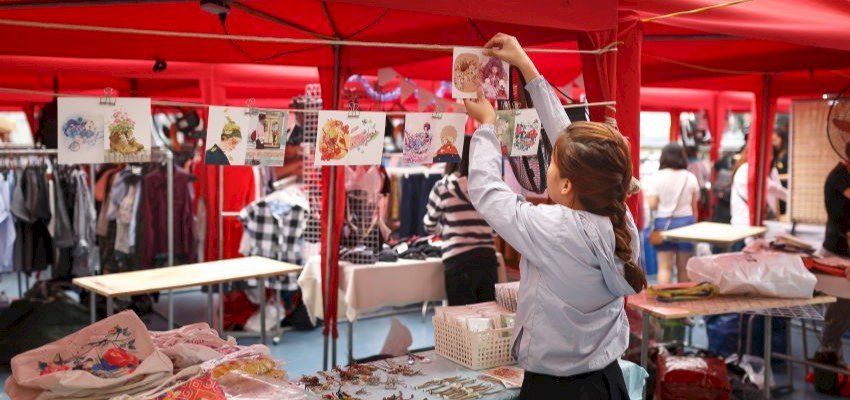
How Florida Small Businesses Can Use Community Events to Win Local Customers
A nearby customer may pass your storefront, scroll past your post, or hear your business name from a friend. The challenge is getting that person to stop, notice, and remember you. For many Florida small businesses, online marketing matters, but face-to-face contact still carries weight. A short conversation at a school fair, farmers market, charity run, chamber event, neighborhood festival, pop-up market, or local expo can build trust faster than another ad.
Community events can be a smart part of local marketing for small businesses. The key is to choose the right events, plan your setup, speak with people in a natural way, and follow up after the day ends.
Choose Events That Match Your Customers
Signing up for every available event can waste time and money. A better approach starts with customer fit. Before you pay a booth fee, ask:
- Who usually attends this event?
- Are they likely to need this product or service?
- Is the event local, seasonal, family-focused, business-focused, or tourism-driven?
- What is the cost to participate?
- How many vendors usually attend?
A children’s boutique may do well at school fairs and family festivals. A tax preparer may see better results at chamber events or business expos. A landscaper may benefit from neighborhood events, while a fitness coach may fit health fairs or charity races. The right event helps you reach your target audience rather than speaking to people unlikely to buy.
Set a Clear Goal Before You Show Up
An event should have a clear purpose. Without one, it is hard to judge if the day was useful.
Your goal may be to:
- Sell products on-site
- Book consultations
- Collect email signups
- Gain social media followers
- Build local name recognition
- Meet referral partners
- Test a new product or offer
The goal affects your booth setup, signs, staffing, samples, and follow-up plan. A service business may judge success by the number of calls booked. A product business may focus on sales, repeat interest, and which items drew the most questions. Pick one main goal, then build the event around it.
Make Your Booth Easy to Understand
People at community events make quick decisions. They are often walking with friends, children, pets, or food in hand. Your booth must explain who you serve and what you offer without making people work too hard.
Use clear signs, simple pricing, neat displays, and short service descriptions. One main message usually works better than several competing points.
Examples include:
|
Business type |
Clear message |
|
Mobile notary |
Mobile Notary Services in Orlando |
|
Bakery |
Custom Cakes for Tampa Families |
|
Bookkeeper |
Bookkeeping Help for Local Contractors |
|
Pet groomer |
Mobile Grooming for Busy Pet Owners |
Small giveaways can help, but they should connect to the business when possible. A pen with your name may be fine. A checklist, coupon, sample, or appointment card may do more. Clear presentation supports local marketing for small businesses by reducing confusion and inviting conversation.
Start Conversations Without Pressuring People
Community events work best when owners focus on conversation, not hard selling. People may be curious, but they may not want a full pitch the second they step near your table.
Try simple opening lines:
- “Have you used this type of service before?”
- “Are you shopping for yourself or someone else?”
- “What brought you to the event today?”
- “Are you local to this area?”
Listen before explaining the offer. A parent at a school fair may need a birthday cake later, not that day. A homeowner may be thinking about yard work next month. A polite exchange can make the person remember you when the need becomes real. Friendly, low-pressure interaction helps build trust with nearby customers.
Use Local Offers to Encourage Action
A clear event offer can move people from interest to action. It should be easy to explain and simple to redeem.
Good event offers may include:
- Event-only discount
- Free short consultation
- First-service coupon
- Loyalty card
- Free sample
- Giveaway entry tied to an email signup
Do not create an offer that harms your profit. A discount should still leave room for costs, labor, and taxes. A free consultation should have a time limit. A sample should be sized to make sense for the event.
For owners asking how to get local customers, a small but useful offer can turn event interest into a first purchase. Make the next step obvious, such as “book by Friday,” “scan to schedule,” or “bring this card for 10% off your first service.”
Capture Contact Information the Right Way
Many event visitors are interested but not ready to buy at that moment. Give them a simple way to stay connected.
Use a signup sheet, QR code, email list, appointment calendar, or giveaway entry. Tell people what they will receive, such as local tips, product updates, discounts, appointment reminders, or new service notices.
Contact collection should be permission-based. Do not add people to a list without clear consent. Organized follow-up matters because a good conversation can fade fast if no one contacts the person later.
Promote the Event Before and After It Happens
An event should support your wider marketing plan. Before the event, post on social media, update your website, email current customers, tag the event organizer when appropriate, and invite loyal customers to stop by.
After the event, share photos, thank attendees, follow up with leads, post any remaining offer details, and ask happy customers for reviews. You can also share a short recap, such as “Thank you to everyone who stopped by our table at the Lakeland spring market.”
This extends the value of one event beyond the day itself. Local marketing for small businesses works better when each activity supports the next one.
Measure What Worked Before Booking the Next Event
Review the results after each event. You do not need perfect data, but you do need enough information to make better choices.
Track simple numbers:
- Booth fee
- Sales made
- Leads collected
- Consultations booked
- New followers
- Coupons redeemed
- Follow-up responses
Also note what people asked about, which products drew attention, what objections came up, and how steady foot traffic felt. If people loved one product but ignored another, that is useful. If many visitors asked the same question, your signs may need clearer wording. These notes help you book stronger events over time.
Turn Community Events Into Steady Local Growth
Community events can become a useful part of local marketing for small businesses when owners plan them well. Pick events that match your customer base. Set one clear goal. Make the booth simple. Talk with people naturally. Collect contact information with permission. Follow up, then review the results before booking the next event.
The Southern Consumers Alliance supports small business owners, self-employed individuals, and families with practical resources and member-focused benefits. To make local growth easier, review the resources available through the Southern Consumers Alliance and use the support that fits your business goals.