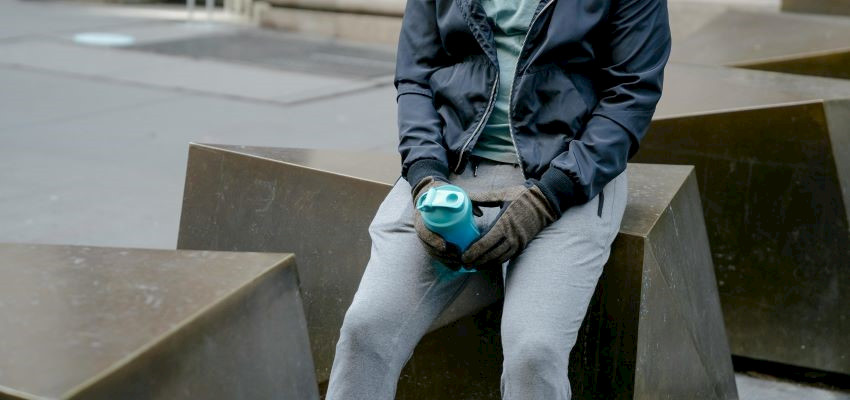
Body Neutrality Over Body Perfection: A Healthier Way to Think About Fitness
For a long time, fitness has been linked with looking a certain way, flat stomachs, toned arms, and perfect curves. But not everyone fits those standards. That’s where body neutrality comes in. Instead of chasing a “perfect” body, this mindset focuses on what your body can do, not just how it looks. Choosing body neutrality over body perfection can lead to a more peaceful and balanced relationship with movement and health.
What Is Body Neutrality?
Body neutrality means accepting your body as it is right now. It doesn’t mean you must always love every part of your body. It means you don’t let your body shape or size define your worth. This approach helps shift the focus from appearance to function.
For example, instead of thinking, “I want abs,” someone with a body neutral mindset might say, “I want to feel stronger so I can lift my kids or walk longer without getting tired.” It’s about being practical and kind to yourself.
Why Body Perfection Can Be Harmful
The idea of body perfection is often promoted by the media, fitness influencers, and even some gyms. It tells us there’s only one way to look fit or healthy. This message can be harmful in many ways:
- It creates unrealistic standards
- It can lead to poor self-esteem.
- It may cause people to avoid exercise if they don’t “look the part.t”
- It can lead to disordered eating or over-exercising
When we chase body perfection, we often feel like we’re never good enough. Even people who seem “fit” on the outside can feel insecure if their bodies don’t match a specific image. That’s not healthy.
Building a Better Fitness Mindset
A fitness mindset based on self-acceptance in fitness feels much better than one based on pressure or guilt. You don’t need to force yourself to hit the gym five days a week just to look like someone else. Instead, you can think about movement in a more joyful way.
Ask yourself:
- How do I feel after I move my body?
- What kind of movement do I enjoy?
- Can I celebrate progress, no matter how small?
By answering these questions, you can build a better, longer-lasting relationship with fitness that feels good from the inside out.
Healthy Body Image Starts Within
Having a healthy body image doesn’t mean thinking your body is flawless. It means respecting your body even if it’s not how you want it to look. This can be hard, especially with all the perfect-looking pictures online. But try to remember that most of those photos are filtered, posed, or edited.
In real life, bodies are soft, change over time, and don’t always look “camera-ready.” That’s okay. What matters is how you feel in your skin and how your body supports you through daily life.
Fitness Can Be About More Than Weight
When we let go of body perfection, we can start enjoying fitness for other reasons. You could move to sleep better, improve your mood, or manage stress. You may like dancing, walking, or stretching. That all counts.
You don’t have to run marathons or lift heavy weights unless doing so brings you joy. Fitness should be supportive, not stressful.
Body neutrality allows room for flexibility. You can take a rest day, eat without guilt, and live your life without constantly checking the mirror or the scale.
How to Practice Body Neutrality
Here are a few tips to help bring body neutrality into your daily life:
1. Focus on Function
Notice what your body can do. Did it carry you through a long workday? Did it heal from an illness? Did it help you hug someone you love? These things matter more than having a “perfect” shape.
2. Move With Purpose, Not Punishment
Exercise should not feel like punishment. Choose activities that make you feel strong, calm, or happy. That could mean swimming, dancing in your room, or just walking the dog.
3. Change Your Inner Voice
When negative thoughts come up, try to reframe them. For example, instead of “My thighs are too big,” try “These legs help me move and explore the world.” You don’t have to pretend to love everything, but you can still be respectful.
4. Follow Supportive Media
Unfollow pages that make you feel bad about your body. Look for creators and communities that promote a healthy body image and self-acceptance in fitness.
5. Wear Clothes That Fit Now
Don’t wait to feel “deserving” of nice clothes. Wear things that feel comfortable and make you feel good today, ot when you hit a goal weight.
Fitness That Feels Good, Not Forced
At the heart of this approach is freedom. When you stop chasing body perfection, you free up energy to enjoy movement, food, and life. You can focus on feeling good instead of just looking good.
This shift in your fitness mindset helps build habits that stick. You’re more likely to stay consistent when you don’t feel judged or ashamed. And you’re more likely to try new things without fear of failure.
Real People, Real Stories
More and more people are speaking out about the benefits of body neutrality. Some have walked away from intense gym routines and found peace in slower, more mindful movement. Others say that letting go of diet culture helped them reconnect with their bodies for the first time in years.
You don’t need to be “perfect” to be proud of yourself. Progress doesn’t have to show on the outside to matter.
Final Thoughts
Choosing body neutrality over body perfection doesn’t mean giving up on goals. It means setting goals that are kind, flexible, and rooted in respect. Your body is more than a project to fix. It’s your home, your tool, and your lifelong companion.
Start small. One positive thought. One enjoyable workout. One kind choice at a time.
Ready to move with confidence and self-acceptance? Visit Southern Consumers Alliance to explore wellness resources and support built around body neutrality, self-care, and a healthier fitness mindset. Let fitness feel good again with no pressure, no judgment.